ITPDP
Intelligent Tracking Pan-Tilt Device Prototype
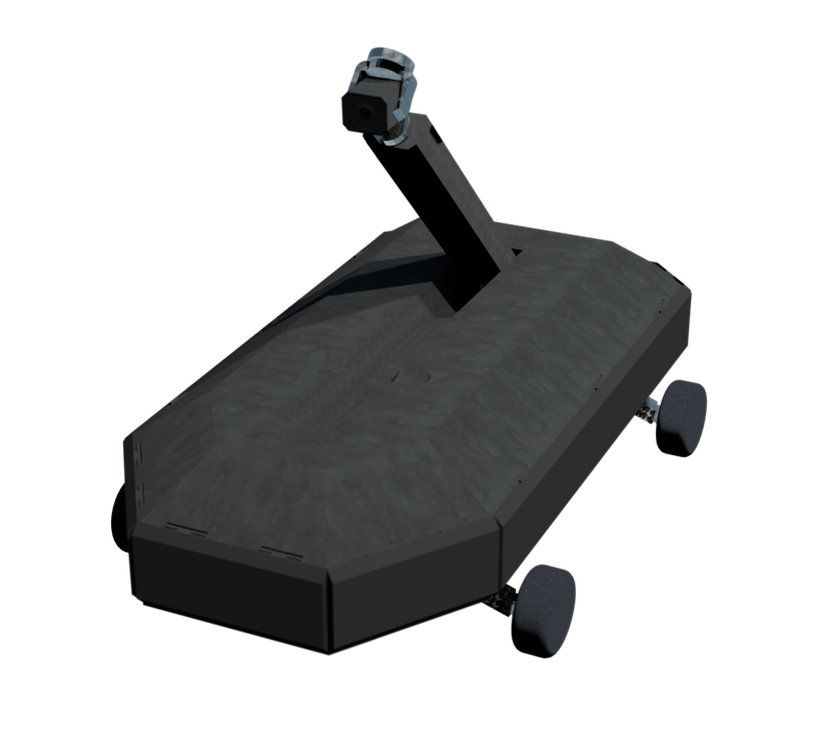
Project Overview
The ITPDP (Intelligent Tracking Pan-Tilt Device Prototype) represents a comprehensive exploration into autonomous object tracking and vehicle control systems. This tangible prototype demonstrates the integration of computer vision, robotics, and web-based control interfaces to create an intelligent tracking device capable of following objects while recording video.
System Architecture
The prototype consists of three main interconnected components working in harmony:
1. Flask Web Application (Python-Driven)
The control interface allows users to manage the prototype's functionality through an intuitive web interface. Users can:
- Control vehicle movement (forward, backward, left, right)
- Toggle video recording on and off
- Enable or disable object tracking mode
- Monitor real-time status of the system
2. Raspberry Pi 4B (Core Processing Unit)
The RPi4 serves as the brain of the operation, handling multiple critical functions:
- Real-time object detection and tracking algorithms
- Video recording management using Raspberry Pi Camera Module v3
- Control of pan and tilt servo motors for camera positioning
- Communication between the web interface and the EV3 brick
3. LEGO Mindstorm EV3-Brick
The EV3 brick handles the mechanical movement of the entire vehicle platform, powered by two large EV3 motors for reliable mobility across various surfaces.
Hardware Components
The hardware setup demonstrates efficient integration of consumer and professional-grade components:
Core Components:
- Raspberry Pi 4B: Central processing unit managing all software operations
- PCA9685 Servo Driver: Provides precise control signals for the pan-tilt mechanism
- 2x SG90 Servo Motors: Enable smooth pan and tilt movement for the camera head
- 1080p Webcam: Primary input for object tracking algorithms
- Raspberry Pi Camera Module v3: High-quality video recording device
- LEGO Mindstorm EV3-Brick: Motor control and vehicle movement platform
- 2x Large EV3 Motors: Provide robust propulsion for the vehicle
Key Features
- Autonomous Object Tracking: Computer vision algorithms detect and follow objects in real-time, adjusting camera position automatically
- Remote Web Control: Flask-based interface accessible from any device on the network
- Dual Camera System: Separate cameras for tracking and recording ensure optimal performance
- Mobile Platform: EV3-based chassis provides stable and responsive movement
- Modular Design: Component separation allows for easy maintenance and upgrades
Technical Implementation
The system architecture showcases modern approaches to embedded systems and IoT device control:
Software Stack:
- Python Flask for web server and API endpoints
- OpenCV for computer vision and object tracking
- Servo control libraries for precise motor positioning
- EV3 Python library for vehicle movement commands
Communication Flow:
- User inputs commands via web interface
- Flask backend processes requests and sends commands
- RPi4 executes tracking algorithms and servo control
- EV3 brick receives movement commands and controls motors
- Real-time feedback updates the web interface
Applications & Use Cases
This prototype demonstrates capabilities applicable to various real-world scenarios:
- Automated Surveillance: Security monitoring with automatic subject tracking
- Wildlife Observation: Non-intrusive animal behavior recording
- Sports Recording: Autonomous camera operator for athletic events
- Educational Tool: Teaching platform for robotics and computer vision
- Content Creation: Automated camera work for video production
Technical Challenges & Solutions
During development, several technical challenges were addressed:
Challenge 1: Real-time Processing
Balancing tracking accuracy with processing speed on the Raspberry Pi required optimization of computer vision algorithms and careful frame rate management.
Challenge 2: Component Integration
Coordinating communication between the Flask app, RPi4, and EV3 brick required implementing robust error handling and command queuing systems.
Challenge 3: Power Management
Ensuring stable power delivery to all components while maintaining portability required careful power distribution planning.
Skills Demonstrated
- Full-stack web development (Flask, HTML, JavaScript)
- Computer vision and image processing (OpenCV)
- Embedded systems programming (Raspberry Pi, EV3)
- Hardware integration and servo control
- System architecture design
- Real-time systems programming
- Network communication protocols
Future Enhancements
Potential improvements for future iterations:
- Machine learning integration for improved tracking accuracy
- Multiple object tracking and prioritization
- Autonomous navigation with obstacle avoidance
- Cloud storage integration for recorded videos
- Mobile app development for iOS and Android
- GPS integration for outdoor tracking scenarios